GFRP Rebar for Drains & Culverts
Drains that stay sound in permanent water contact.
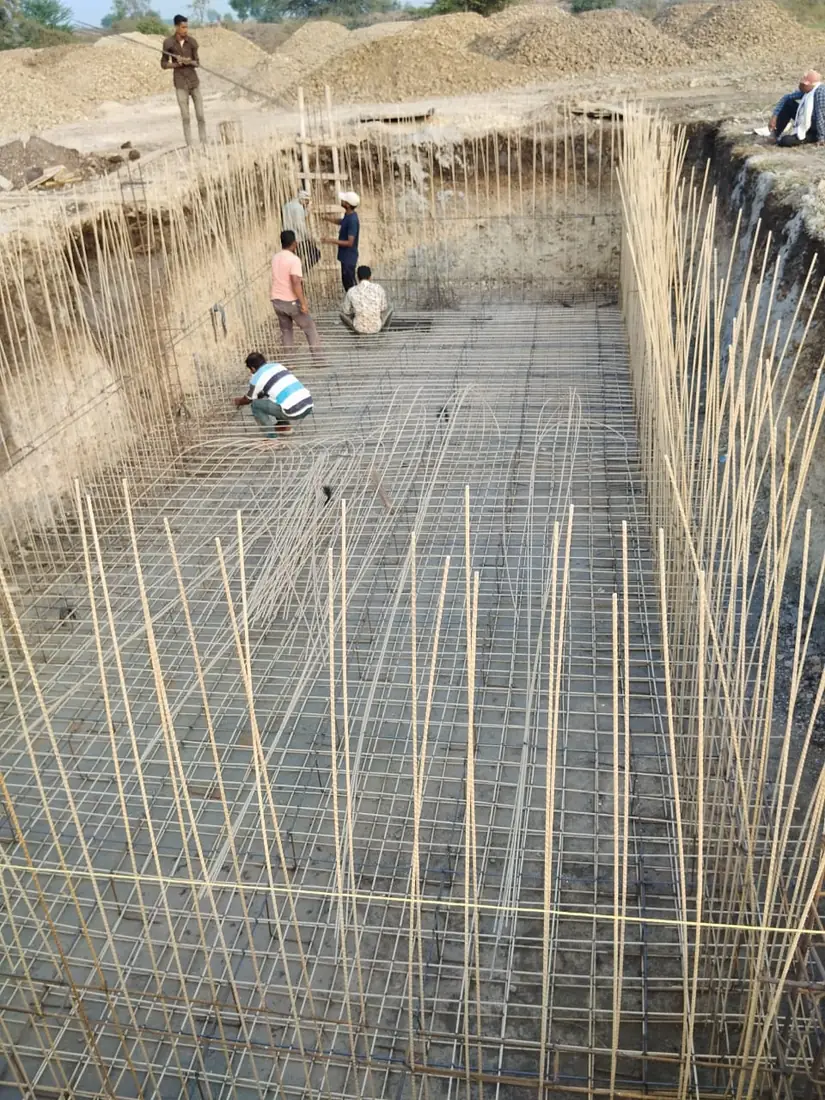
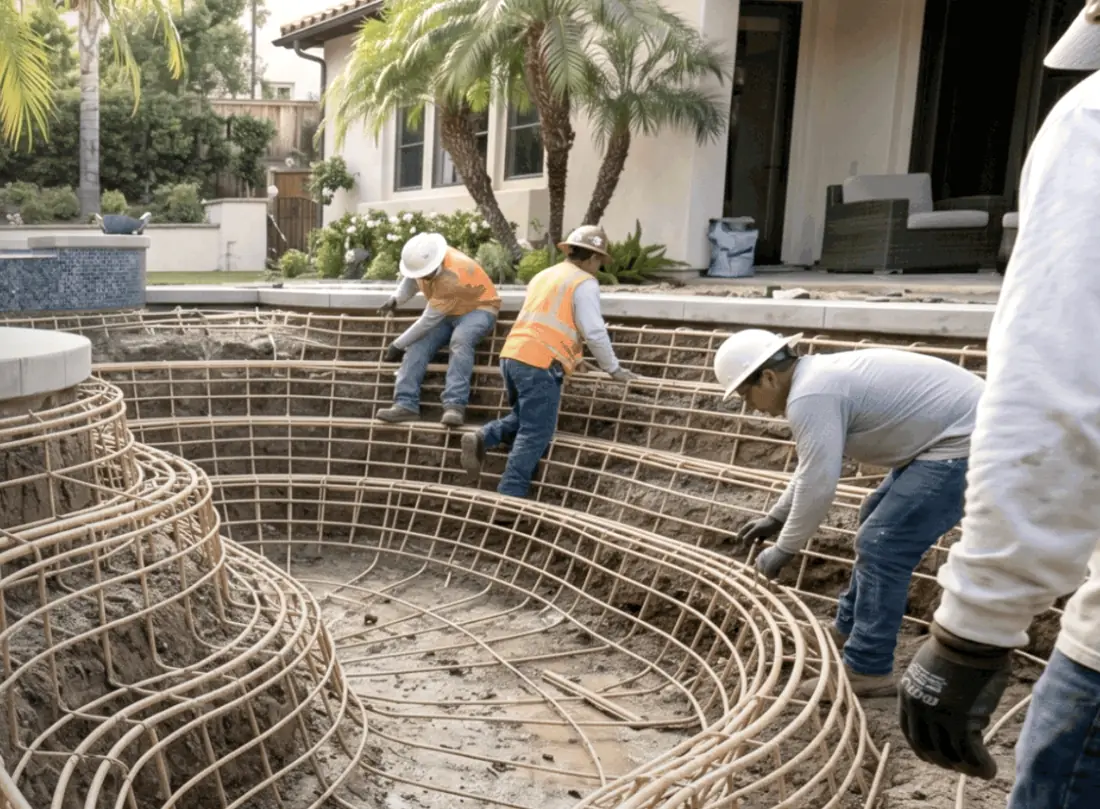
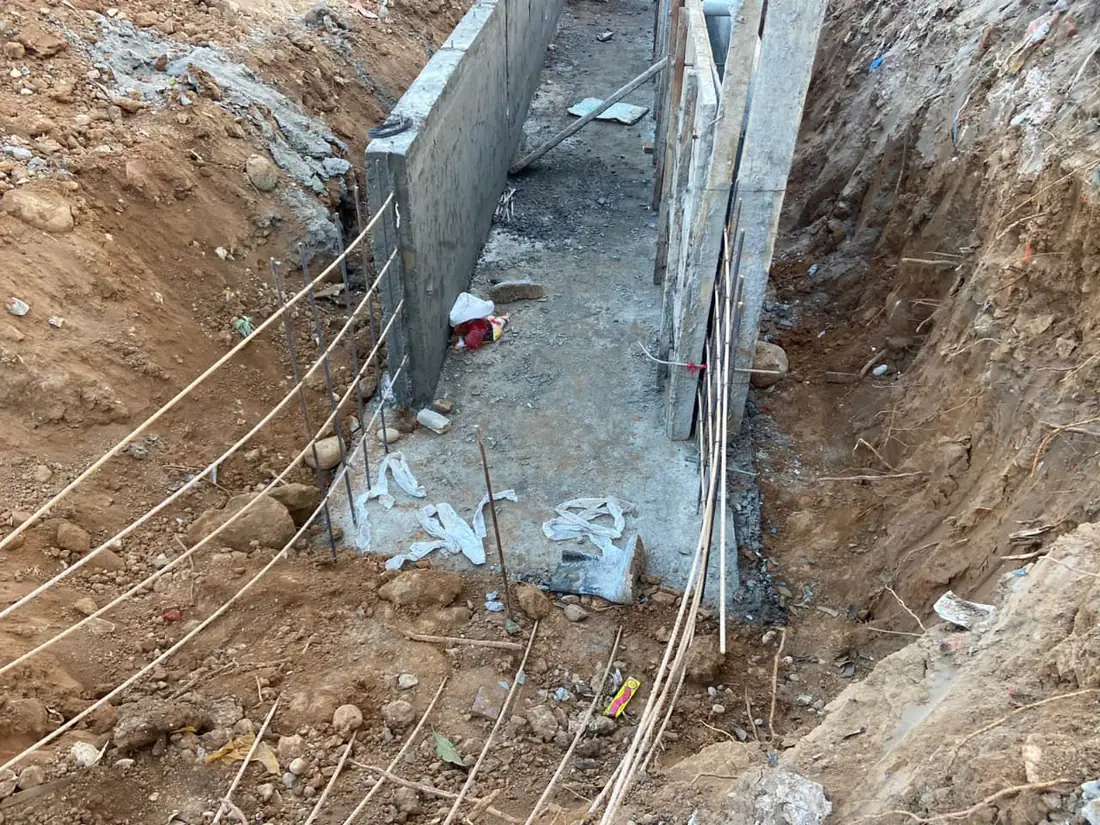
Storm drains, nalas and culverts sit in water, silt and aggressive effluent. Corrosion-free GFRP reinforcement keeps the base slab and walls from cracking and spalling.
The Problem With Steel
Why steel lets these structures down
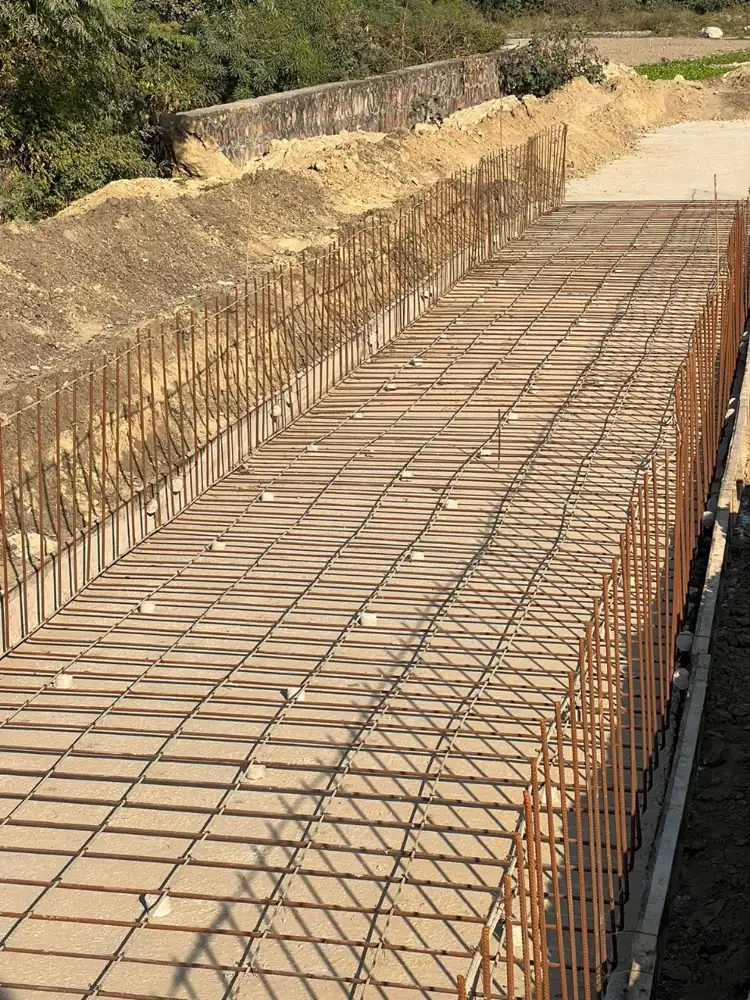
In this environment, corroding steel reinforcement is the single biggest threat to durability. Here's what goes wrong:
- Constant wetting and drying corrodes steel in drain walls and bases.
- Effluent and salts attack concrete and reinforcement.
- Cracked drains leak and undermine the surrounding soil.
- Repairing an operating drain is difficult and costly.
Why Endurobar Wins
Five reasons GFRP is the right call here
Corrosion Resistant
Never rusts and is fully compatible with water — no staining, spalling or cracking.
Chemically Inert
Unaffected by chlorine, salts, sulphates and treatment chemicals that destroy steel.
Non-Conductive
Carries no electrical current — a critical safety property near water and equipment.
2× The Strength
Roughly double the tensile strength of steel, so you reinforce with less material.
4× Lighter
A quarter of steel's weight — faster placement and far lower handling cost.
Where It Fits
Ideal for every variation
Storm-water drains
Base slabs and walls reinforced against water exposure.
Nalas & open channels
Lined channels in constant contact with flowing water.
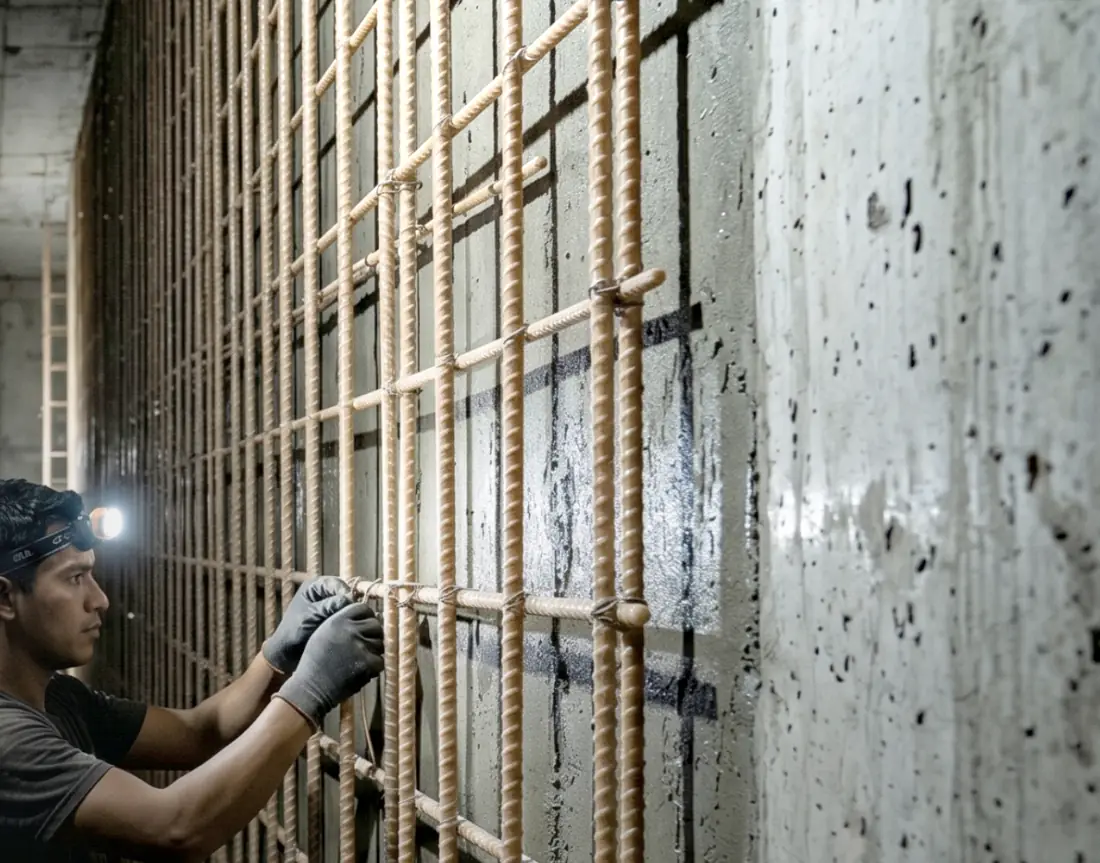
Box culverts
Slabs and walls carrying road and drainage loads.
Covers & slabs
Drain cover slabs and edge beams.
GFRP vs. Steel
The performance gap, measured
Endurobar GFRP
Glass Fibre Reinforced Polymer
Conventional Steel
TMT / Metal Rebar
Frequently Asked
Good to know
IRC 137-2022 lists drainage structures among the permitted uses of GFRP reinforcement.
GFRP is inert to most chemicals found in sewage and storm water, unlike steel.